We’ve seen this pattern before, across almost every platform and I just didn’t want to be hooked that way anymore..
I Wanted More Flexibility Than Substack Could Give Me
The second reason I’m sticking with my newsletter is flexibility.
With my own email list and newsletter setup, I get to decide how I show up, what I sell, the kind of value I offer, how I monetize, and how everything connects.
That matters a heap.
My newsletter doesn’t live on its own. It leads people to a blog post, a product, a workshop, a service, or anything else I’m building.
To be clear, plenty of creators and business owners are building on Substack. And they are doing it well.
But they’re still building inside someone else’s structure.
I’d rather shape how my own digital assets connect based on how my business actually works.
Alignment Is Personal
The third is alignment.
Where you build matters. Not just strategically, but personally.
We all make our own decisions about where we place our attention and our work.
But for me, building on something that reflects my values, my audience, and the kind of space I want to exist in matters just as much as ease or convenience.
And that’s where I had to pause.
Because while Substack offers freedom in one sense, it also asks you to participate in an ecosystem you do not control, one that has made room for voices openly hostile to people like me.
And as a woman of colour, a Black woman, I can’t exist on a platform that feels it is fine for Nazis to be open about their brand of racism.
That doesn’t make the decision for everyone but it does make it a choice and for me, the clearer choice was this:
A weekly newsletter, connected to an email list I own, is the stronger long-term asset.
Substack comes second. A distant second, I might add, even if I can see the temptation at times.
A Final Take on the Substack vs Newsletter Debate
This post is really for the founder questioning where to place their time, attention, and creative energy online, and why I still think a weekly newsletter is one of the most worthwhile places to put it.
So if a weekly newsletter is the stronger long-term play for building an email list, the real question becomes:
How do you actually make it work in a way that helps you build something people want to read, return to, and eventually buy from.
These are the 12 things that have made the biggest difference for me.
The ones I got right early, and the ones I had to learn the long way.
And at the core the reason I’m sticking with my newsletter.
Build a Newsletter People Want to Read
People don’t want theory when they’re deciding who to trust with their inbox. They want lived experience.
Everything is searchable now. AI can generate information in seconds. But what you’ve actually done.
Your ability to tell real stories — clearly, simply, without dressing them up is what builds trust and grows your email list.
You don’t need to be a world-class writer.
You need to have done something worth sharing and be willing to say it plainly.
And that’s what turns a reader into a subscriber.
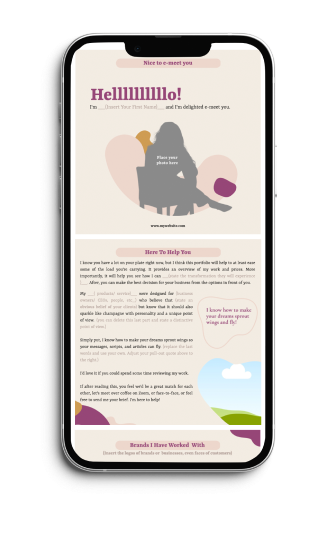
*** My weekly newsletter is for ambitious founders over 40 building businesses and learning how that translates online. t’s slower, more thoughtful, and useful.***
→ Click HERE or below ⤵︎
Carve Your Own Lane
Your newsletter should feel like a category of one. Yes, there may be a million people in your niche, but no one is doing it quite the way you do.
And I mean that seriously. Your lived experience needs to be front and centre in your work. It’s the reason I started this blog by talking about getting rid of cable.
So when you think about your newsletter, here’s a good tip: close your eyes and think about how you want your readers to feel. For me, it’s some version of this: clearer, steadier, less lost, and a little more able to trust their own next step.
Once you nail that feeling, people start coming back for it.
That’s what makes people return, and over time, it can help your open rate grow.
Make Your Newsletter Weekly
One time I wrote my newsletter on the beach on a Sunday morning. My family didn’t get it.
Why work when the waves are right there?
But I was that committed. It had to go out.
(I don’t recommend that. Scheduling exists for a reason.)
Still, a weekly schedule is important. Nothing less.
One email, once a week, landing in inboxes is enough to build rhythm, trust, and familiarity.
Anything less and people forget you. Anything more and you risk burning out before it works.
Pick One Discovery Platform
Your newsletter is valuable real estate. But it has zero discoverability on its own.
You need a place where strangers can find you: Facebook, YouTube, LinkedIn, Instagram, Threads.
If you’re now starting: pick one and go deep, not wide.
Growth happens faster when your attention isn’t scattered.
Create More Than You Consume
This one is simple, but not easy.
If you want to grow your newsletter, you have to create more than you consume, which means you have to live. Go outside. Touch grass.
Scrolling doesn’t build your newsletter. Living does. Creating does.
Shift where you put your time, even slightly, and you’ll feel the difference.
Turn Followers Into Subscribers of Your Newsletter
This is something I missed early on. My digital world wasn’t connected.
Every post, every story, every bio line could have pointed back to one simple ask:
Are you on my newsletter yet?
No hard sell. Just a clear invitation and a reason to join. That’s how social media starts working for your email list.
Starting a Newsletter vs Substack: Keep It Simple
Skip the custom site. Skip the fancy branding. I didn’t have any of that when I started.
To start find a place to write and a way for people to subscribe; freebies are still good.
That’s enough. The rest can come later.
→ Click HERE or below ⤵︎
Sell Small, Learn Big
Your first dollar matters more than your first 10K.
When I first started using my newsletter to market my offers, it was less about having the perfect offer and more about seeing what people would respond to.
A newsletter gives you a place to try things, observe, improve, build.
Listen to The Feedback
When I started paying attention to what worked and what didn’t, things got clearer.
Before that, I was writing what I thought people needed.
Now I watch what they click, what they reply to, what they stay for.
Your readers will show you what matters.
You just have to notice it.
Learn From People You Admire
Shortcut your trial and error.
I pay attention to people who build well.
How they write. How they connect. How they move people to act without pushing.
I don’t copy them, but I do study what’s working.
Then I take what fits and leave the rest.
Use Social Media to Build Your Email List
I used to post and ghost. Post, log off, move on.
I told myself I didn’t have time to engage. I was wrong.
Other people’s audiences are leverage.
When you show up curious, generous, and genuinely helpful, your visibility grows. And so does your list.
Substack vs Newsletter: The Anchoring Reality
I don’t chase shiny pennies anymore.
That urge? It still shows up. But I’ve learned to pause before I follow it.
And to be fair, not everyone sees it the same way.
I remember reading a post on Threads from a woman who had built her business on Substack. She wasn’t about to let one bad actor undo everything she had built there.
And I get that.
Which is why I always come back to this:
Decide what’s right for you.
For me, I’m sticking with my email list and my newsletter.
Because at its core, it represents how I like to build: